
Table of Contents
ToggleIndia's Labour Reform Revolution 2025
India is launching a major overhaul of its labour laws. On November 21, 2025, four new Labour Codes will replace 29 outdated rules, aiming to simplify compliance and enhance worker protections. Emphasizing their significance helps readers understand how these reforms will shape the future of workplaces and the economy.
Why We Needed India's Labour Laws Reform
For too long, India’s old labour rules created unnecessary complications. We had many different laws, made decades ago, back when our economy looked entirely different. These laws didn’t work for modern jobs, such as gig work or work on digital platforms. Because so many rules existed, businesses often found it challenging to follow them and expand. Many small companies intentionally stayed small to avoid the extra paperwork and legal headaches the old system created.
The new Labour Codes consolidate key labour laws into four comprehensive rules, aiming to simplify compliance and promote fair treatment for workers, which is essential for economic growth and workplace safety.
A Closer Look at the Four Labour Codes
1. Code on Wages, 2019: Fair Pay for All
Before, we only required minimum wages in specific industries. Now, this code ensures every worker in India receives a minimum wage. We established a National Floor Wage so no one gets paid below a basic living standard. Employers must also pay workers on time—usually by the 7th of the month for sectors like IT—which reduces stress and builds trust with employees.
2. Code on Social Security, 2020: A Safety Net for Everyone
This law is a significant step forward because it guarantees gig and platform workers’ benefits, such as provident funds and health insurance, ensuring they are protected and included in social security schemes.
3. Occupational Safety, Health and Working Conditions Code (OSHWC), 2020: Putting Health First
This code focuses on making workplaces safe and healthy. We now require employers to provide free annual health checkups for employees aged 40 and older and for those working in hazardous jobs. The code also sets clear rules for necessities like clean drinking water, canteens, and rest areas, especially for small businesses. A National OSH Board will ensure all industries maintain strong safety standards.
4. Industrial Relations Code, 2020: Formal Jobs and Security
This code ensures that every worker receives a written appointment letter that formally confirms their employment and legal benefits. We now officially recognize Fixed-Term Employment (FTE), giving contract workers the same benefits as permanent workers, including gratuity after just one year. This update helps companies hire flexibly while protecting workers simultaneously.
How These Codes Help Our Businesses Grow
Previously, companies had to handle countless licenses, registrations, and paperwork across 29 different laws. Now, a simple single-window system lets businesses register once and file a single return. This change saves them serious time and money.
We are shifting officials’ focus from inspections to support, with the ‘inspector-cum-facilitator’ system helping MSMEs grow by providing guidance and reducing compliance burdens.
Simplified tribunals will resolve disputes between workers and businesses much faster. Plus, we’ve increased the limits for small factories before strict rules apply so that they can expand without excessive hassle.
Who Benefits? We Are Protecting Everyone
Protecting Gig and Platform Workers
For the first time, gig and platform workers have clear legal recognition and social security benefits. We now require the platforms they work on to fund welfare programs with a small percentage of their turnover. This change means gig workers get crucial benefits like insurance and PF, which they lacked completely before.
Empowering Women at Work
The new laws strictly forbid gender discrimination and promise equal pay for equal work. Women can now work night shifts and in jobs previously closed to them (like mining), provided safety measures are in place. These changes will allow more women to take high-paying jobs, helping their families and significantly boosting India’s economy. We further ensure women’s representation on workplace grievance committees.
Supporting Migrant Workers
Migrant workers often move between states for jobs, but losing benefits or facing wage issues made this challenging. Now, all migrant workers receive equal pay and access to public services, such as food subsidies (PDS), wherever they go. Thanks to the UAN system, their social security benefits move right along with them.
What This Labour Laws Means for Key Sectors
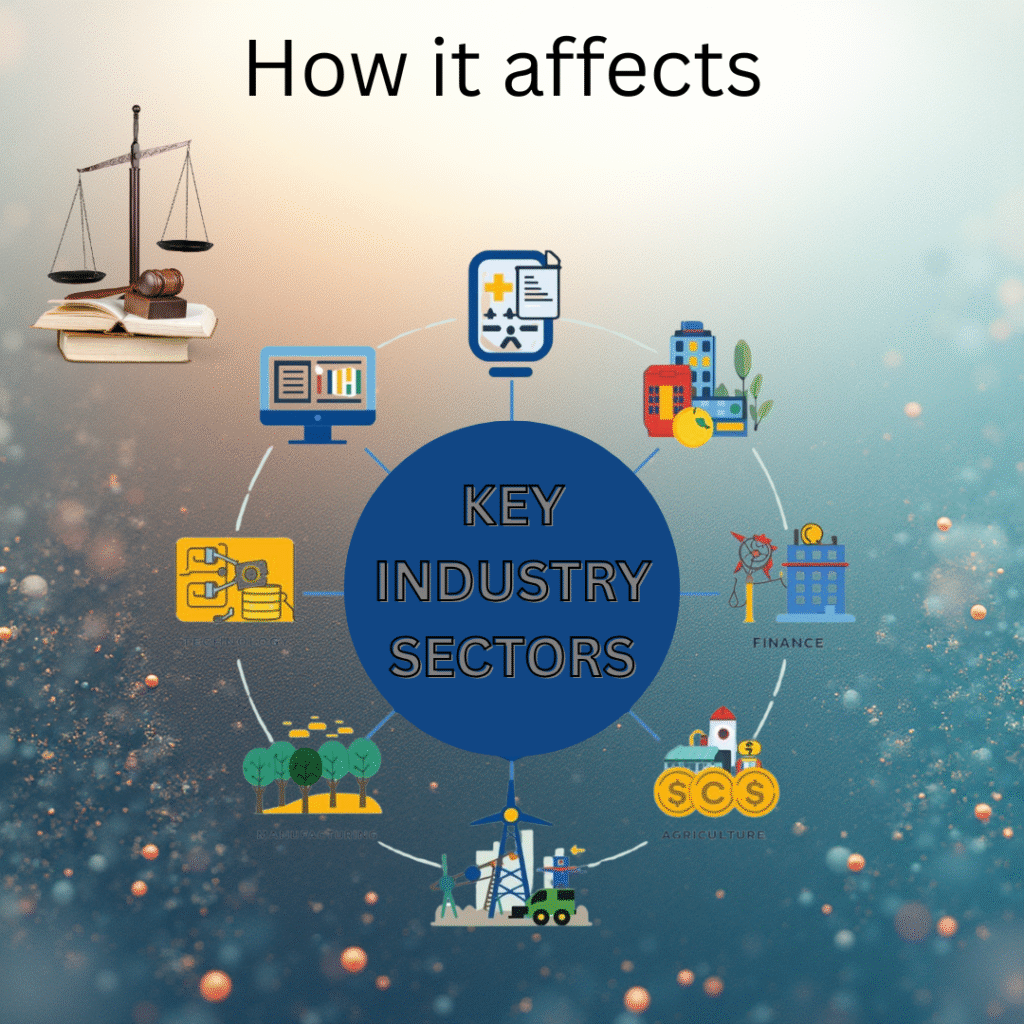
- MSMEs (Small and Medium Businesses): MSMEs will now cover their workers with social security and minimum wages. These rules push these businesses to modernize by requiring better workplace facilities, helping them compete globally.
- IT and ITES Sector: This sector benefits from clear rules on timely salary payments, social security, and formal appointment letters. These changes help companies retain skilled workers and build trust, thereby cementing India’s position as a strong player in global technology services.
- Export Industries: The new labour laws align India with global ethical labour standards. These changes reduce the risk of disputes or boycotts, giving Indian exporters greater confidence in accessing premium international markets.
- High-Risk Jobs: Workers in mines, docks, and hazardous industries receive better health protections, free annual checkups, and strict safety rules.
- Creative and Digital Media Workers: Media workers, including journalists and artists, now have formal contracts, social security, and protections like paid overtime, ending the uncertainty of employment in this sector.
The Big Picture: We're Building a Stronger India
By formalizing employment and expanding social protections, we are reducing worker vulnerability and significantly boosting their spending power. This updation will grow our economy from the inside out, creating steady demand for goods and services.
Crucially, the reforms send a strong, clear message to investors worldwide: India offers a stable, fair, and easy-to-navigate labour market. We fully expect this to attract more foreign investment and create more jobs for the future.
What's Next? Making It Work Together
These new laws are powerful, but their success hinges on how well we implement them. Small businesses face initial challenges adapting.
The government is encouraging cooperation by using facilitators instead of strict inspectors. Continued dialogue—between businesses, workers, and the government—will help us all smooth the transition and unlock the full benefits of these historic reforms.